
Converting listed buildings back into houses
Many large old houses were divided into flats or offices in the 20th century. We have converted two Grade II* houses, one in Gloucestershire and one in Westminster, back into single homes.
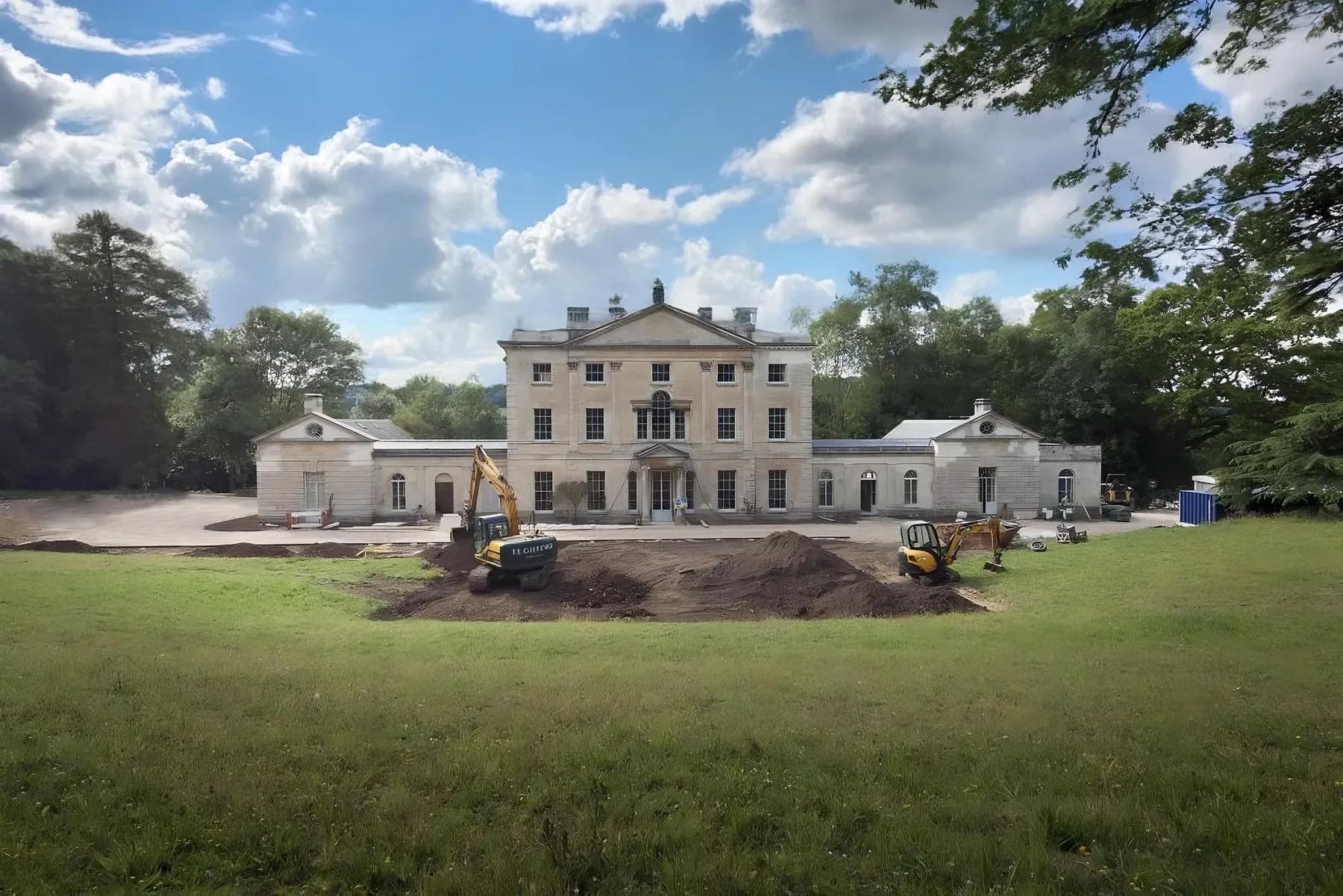
In the 20th century many large houses were split into flats or let as offices. The partitions, fire walls and services put in at the time usually cut across the original rooms. Bringing such a house back into use as a single home means taking those changes out and repairing what lies behind them.
Brownshill Court: five flats back into one house
Brownshill Court, a Grade II* country house near Painswick, had been divided into five flats in the early 20th century and was close to ruin when we started. Working to designs by the architect Richard Parr, we converted it back into a single house and repaired it in matching stone, keeping its original architectural details. The new work included the mechanical and electrical services, a lift, en suite bathrooms, a new kitchen and a purpose-made bat roost.
Westminster: offices back into a town house
9 Little College Street was built in about 1722 and is listed Grade II*. After works in the 1880s and the 1920s, the Church Commissioners turned it into offices, with fire partition walls and cheap pine floorboards. Our brief was to take it back as close as possible to its 1720s form while making it work as a house, with three reception rooms, seven bedrooms, five bathrooms, two kitchens, and new plumbing, electrics and air conditioning.
Consent
Taking out later partitions in a listed building needs Listed Building Consent, because the work affects the building’s character, even where the partitions are modern. Turning flats or offices back into a single house also needs planning permission for the change of use. The architect normally prepares both applications, and we build to the approved drawings and conditions.
Projects
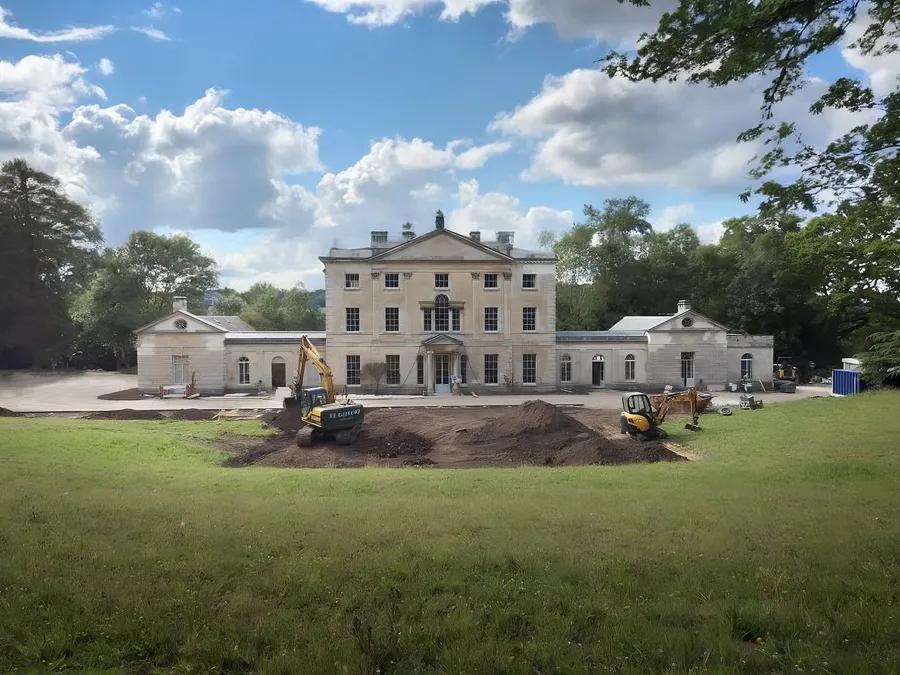
Brownshill Court
Stroud · Grade II*
A Grade II* country house near Painswick that had been split into five flats and was close to ruin. We converted it back into a single house.
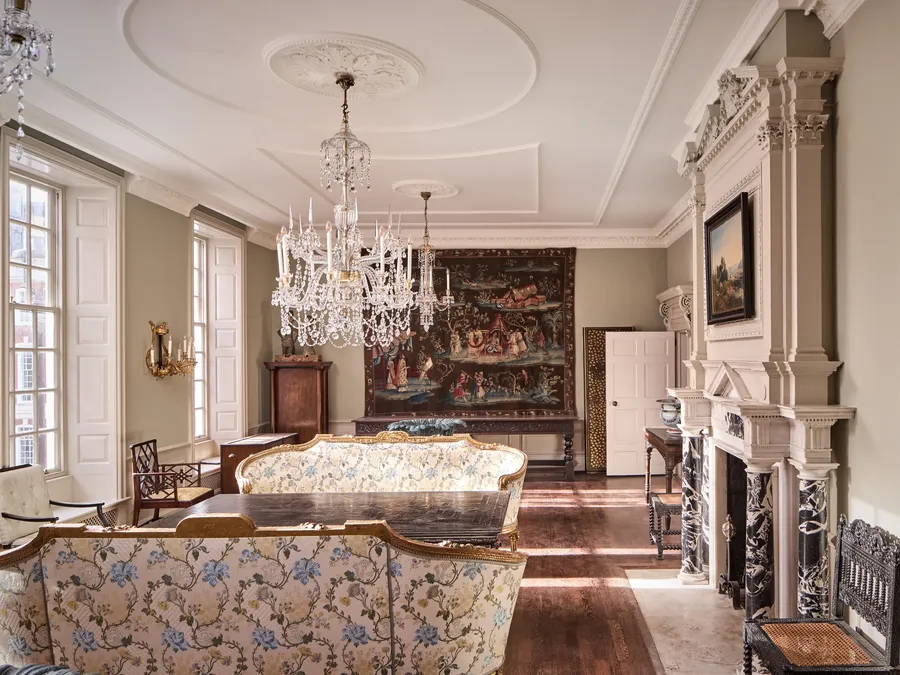
Westminster
Westminster · Grade II*
This house and its adjacent house (owned by the Moroccan Embassy) were built around 1720. No 9 Little College St was two houses then, one of which included the current No10.