
Listed Building Consent · 2 November 2026
What needs Listed Building Consent?
Listing protects the whole building, inside and out, whatever its grade. What usually needs consent, what may not, how to apply and what happens if you skip it.
If you own a listed building in England, you need Listed Building Consent for any work that would affect its character as a building of special architectural or historic interest. That covers far more than most owners expect. This guide explains what is protected, what usually needs consent, and how to apply.
What listing protects
Historic England keeps the National Heritage List for England. Listed buildings are graded I, II* or II. Grade I buildings are of exceptional interest and Grade II* buildings are particularly important. Most listed buildings, around nine in ten, are Grade II.
The grade does not change what is protected. Listing covers the whole building, inside and out, whatever its grade. It also covers objects and structures fixed to it and, in most cases, structures within its curtilage that were built before 1 July 1948, such as garden walls, outbuildings and barns.
The written list entry is there to identify the building. It is not a complete list of what is protected. A fireplace or staircase that the entry does not mention is still protected.
Work that usually needs consent
- Extensions, demolition and alterations to the structure
- Removing or moving internal walls, doors, fireplaces, panelling or staircases
- Replacing windows or doors, or adding secondary glazing in some cases
- Changing the roof covering, or re-roofing in a different material
- Repointing or rendering in a different mortar, or removing old plaster
- Injecting damp-proof courses or applying modern insulation to old walls
- Installing new services where they cut into historic fabric
Some work needs planning permission as well, such as an extension. The two are separate applications.
Work that may not need consent
Genuine like-for-like repairs, using the same materials and methods, often do not need consent. Redecorating in a similar finish usually does not either. But the local planning authority decides what counts as like for like, not the owner or the builder.
If you are unsure, ask the council’s conservation officer and get the answer in writing. Since 2014 you can also apply for a Certificate of Lawfulness of Proposed Works, which confirms formally that a particular piece of work does not need consent.
How to apply
Applications go to the local planning authority, usually through the Planning Portal. There is no fee for Listed Building Consent on its own. The application needs drawings and a heritage statement explaining what is significant about the building and how the work affects it. An architect experienced with listed buildings normally prepares these.
Many councils offer pre-application advice from a conservation officer, often for a fee. It is worth taking on anything larger than a small repair, because it shows what the council is likely to accept before you pay for full drawings.
Councils aim to decide most applications within eight weeks. Consent often comes with conditions, for example requiring samples of mortar or details of new joinery to be approved before work starts. Those conditions must be met.
What happens if work is done without consent
Carrying out unauthorised work to a listed building is a criminal offence. It can lead to an unlimited fine or up to two years in prison, and it applies to whoever carries out or causes the work, which can include the owner as well as the builder. Unlike most planning breaches, there is no time limit on enforcement. A council can require unauthorised work to be reversed years later, and the problem often surfaces when the house is sold.
Working with a builder
A builder who works on listed houses should build only to consented drawings, stop when opening up reveals something unexpected, and help you deal with conditions. Our guide to choosing a listed building contractor covers what to ask. You can see how we approach this on our listed building renovation page.
Projects that show this in practice
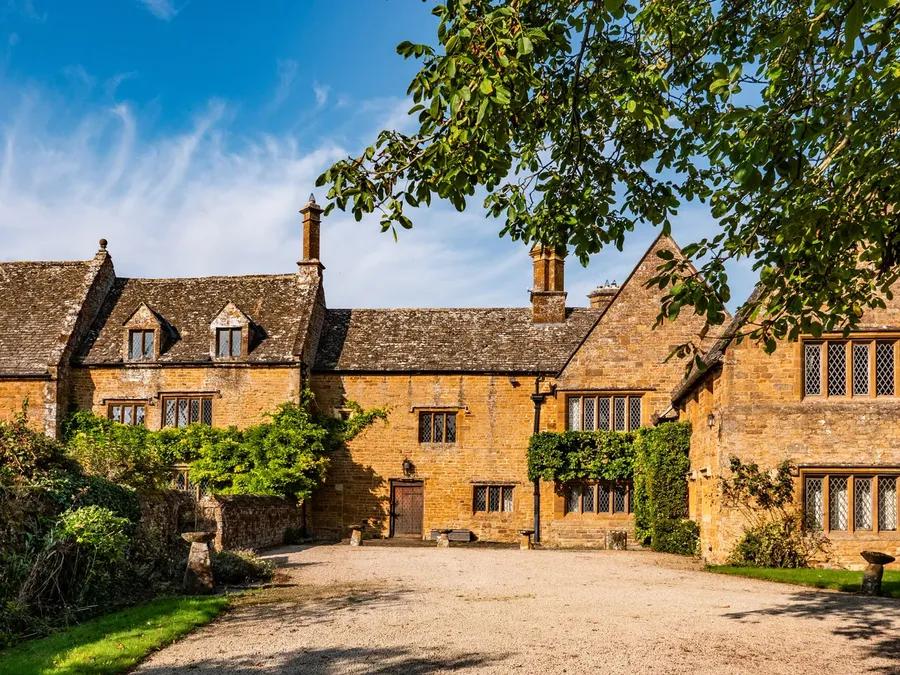
Tysoe Manor
Warwick · Grade II*
This substantial early 14th-century Grade II* listed manor house has good examples of mediaeval windows, oak studded doors, fireplaces and a very early oak staircase, all set in well landscaped gardens.
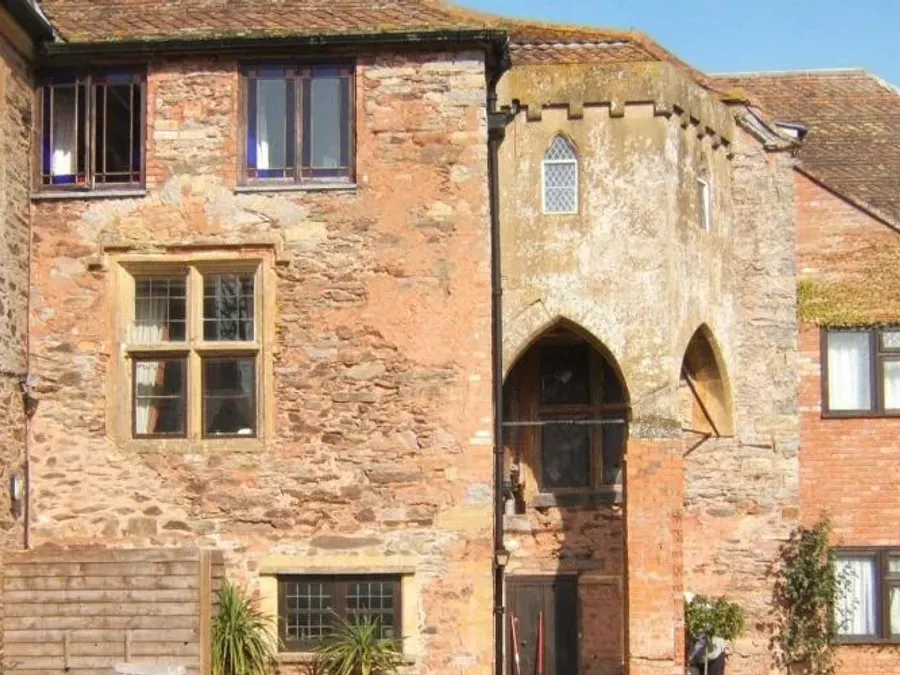
Maunsel House
Bridgwater · Grade II*
Maunsel House is the 13th-century home of Sir Benjamin Slade and is now a venue for weddings and corporate events. We were asked to build a commercial kitchen extension that would blend seamlessly with the existing house.
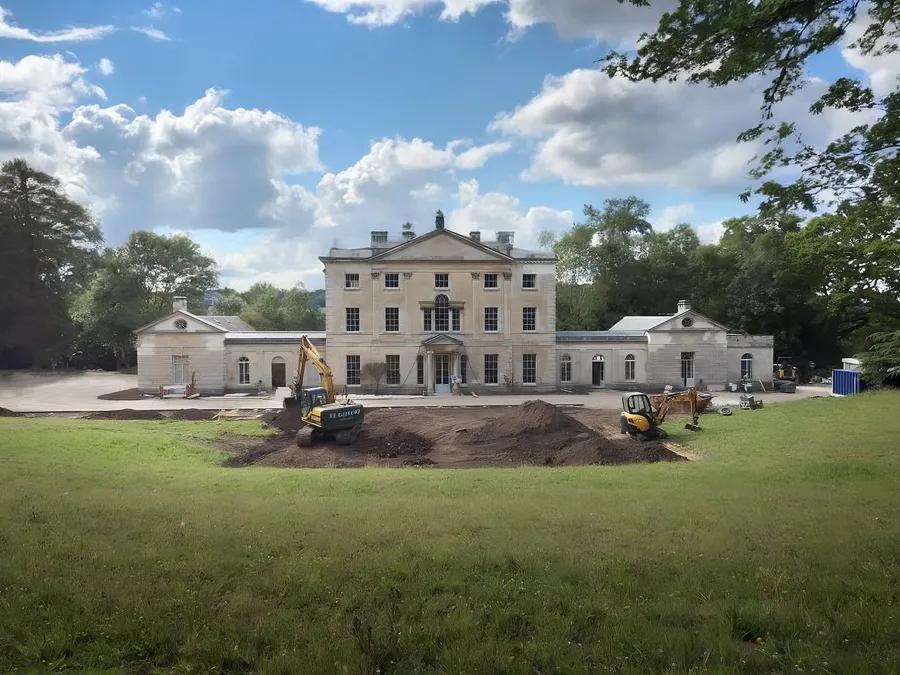
Brownshill Court
Stroud · Grade II*
Originally built by William Palling in 1665 and later modified in the 1700s by his heirs, Brownshill Court near Painswick was close to ruin.