
Guides · 2 November 2026
How to choose a contractor for a listed building
The questions worth asking before you appoint a builder for a listed house: experience, who does the work, consent, materials and how the job is priced.
The builder you choose for a listed house matters more than on almost any other job. Mistakes are hard to reverse, some are criminal offences, and much of the work is hidden until the building is opened up. These are the questions worth asking before you appoint anyone.
Have they done this kind of work before?
Ask for completed projects on listed buildings of a similar age, size and construction to yours, and ask to visit one. A builder who has re-roofed a Cotswold manor in stone tiles will know things a builder of new houses does not. Ask the previous client how problems were handled, not only how the finished house looks.
Who will actually do the work?
Many firms employ a site manager and subcontract everything else. Others employ their own masons, carpenters, roofers and plasterers. Both can work, but on a listed building you want to know who will be cutting the stone and repairing the timbers, and whether the same people will be there from start to finish.
Do they understand consent?
A good contractor will want to see the consented drawings and conditions before pricing, will build only to them, and will stop and raise it when opening up reveals something unexpected. If a builder suggests skipping consent for something, look elsewhere. Our guide to Listed Building Consent explains why.
Which materials will they use?
Ask how they would repoint, replaster or repair the walls. If the answer involves cement, gypsum or chemical damp-proofing on an old solid wall, be cautious. Our guide to lime and cement in old buildings explains the difference.
How do they price the work?
Most builders offer a fixed price, often through a competitive tender. On a new building that gives real certainty. On an old one it often does not, because hidden problems become variations, and the final bill can be well above the tender figure.
The alternative is cost-plus, where the client pays the actual cost of labour and materials plus an agreed margin. It is only as good as the builder’s openness, so ask to see how costs are reported and whether you will see every invoice.
We work on an open-book cost-plus basis with a 15% margin. The listed building renovation page explains how.
Other practical checks
- Insurance: public liability and contract works cover, with certificates
- Contract: a written contract, such as a JCT form suited to the size of the job
- Programme: how long the work will take, and how it will be phased if you are living in the house
- Supervision: who will be on site each day, and who you call when something goes wrong
- Payments: how often valuations are made, and what each payment covers
- References: from clients, and from architects they have worked with
Projects that show this in practice
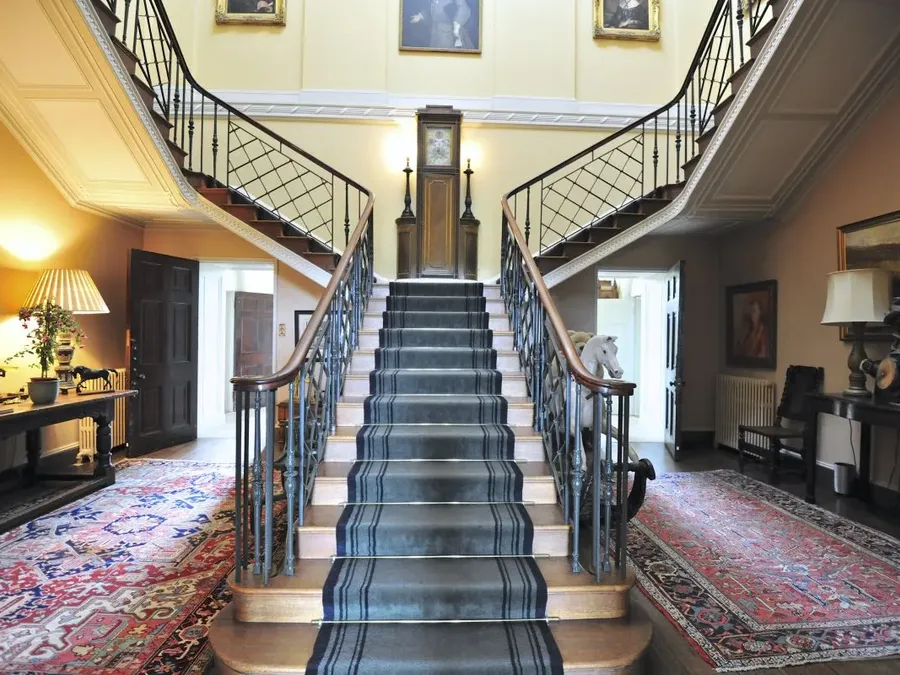
Woolley Estate
Woolley Park, near Wantage · Grade II*
A new built orangery linking the main house with the annexe wing to form a rear entrance hall and boot room. The 1,000 sq ft room has a lead roof, underfloor heating, basement and glazed screen with French windows opening onto the garden.
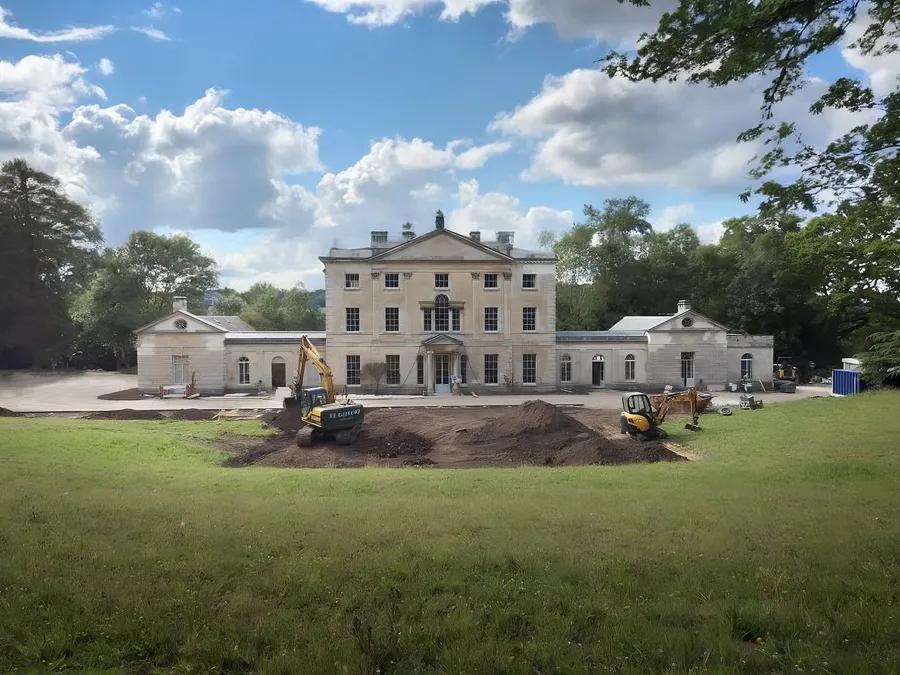
Brownshill Court
Stroud · Grade II*
Originally built by William Palling in 1665 and later modified in the 1700s by his heirs, Brownshill Court near Painswick was close to ruin.
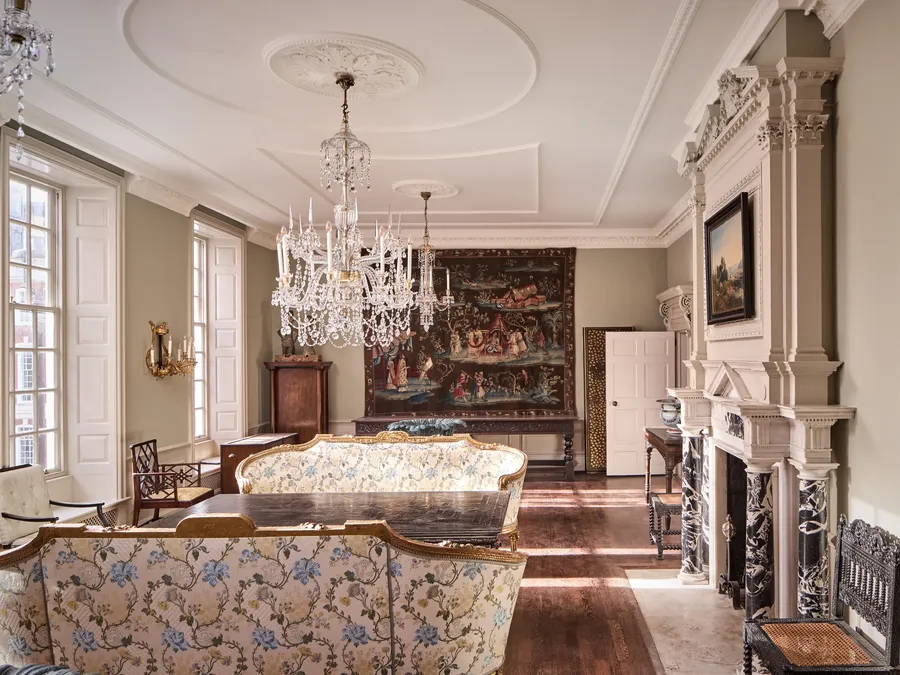
Westminster
Westminster · Grade II*
This house and its adjacent house (owned by the Moroccan Embassy) were built around 1720. No 9 Little College St was two houses then, one of which included the current No10.