
Materials and methods · 2 November 2026
Lime or cement? Repairing the walls of an old house
Why cement mortar and render damage old solid walls, how lime lets them dry out, and how to choose between the types of lime.
Almost every house in England built before about 1900 was laid in lime mortar and finished in lime plaster or render. Portland cement only came into general use in the late 19th and early 20th centuries. Using cement to repair an older building is one of the commonest and most damaging mistakes made on old houses.
How old walls deal with water
Modern walls keep water out with cavities, membranes and damp-proof courses. Old solid walls work differently. They take in some moisture and let it out again by evaporation, mostly through the soft lime joints and the lime plaster and render on their faces.
This only works if the materials on the surface let moisture through. Lime does. Cement, gypsum plaster and many modern paints largely do not.
What cement does to an old wall
Cement mortar is harder and less permeable than most traditional stone and brick. When an old wall is repointed in cement, moisture that used to leave through the joints is forced out through the stone or brick instead. Salts crystallise in the face, and frost does the rest. The faces of the stones or bricks crumble while the cement joints stand proud.
Cement render does similar harm. It cracks as the wall moves, lets water in through the cracks, and then stops it drying out. Walls behind cement render are often wetter than they were before it was applied, which shows up inside as damp patches and decaying timber.
The principle is simple. The mortar should be softer and more permeable than the masonry around it, so that if anything has to weather or be replaced, it is the joint and not the stone.
Types of lime
Non-hydraulic lime, often used as lime putty or as hot-mixed mortar, sets slowly by absorbing carbon dioxide from the air. It is soft and very breathable, and suits internal plaster and sheltered work.
Natural hydraulic lime, sold in grades such as NHL 2, NHL 3.5 and NHL 5, sets partly by reacting with water. It is stronger and sets faster, and suits more exposed work. The stronger grades can be too hard for soft stone or brick, so the choice depends on the building and where the wall is.
Matching the original mortar in colour, texture and strength usually means analysing a sample and choosing the sand as carefully as the lime.
Working with lime
Lime needs more care than cement. It must be protected from frost and from drying too fast in sun or wind, so it is usually laid outside the coldest months and kept damp while it cures. Old cement pointing has to be raked out by hand, because cutting it out with an angle grinder damages the edges of the stones.
On a listed building, repointing or re-rendering in a different mortar can need consent. See our guide to what needs Listed Building Consent.
Projects that show this in practice
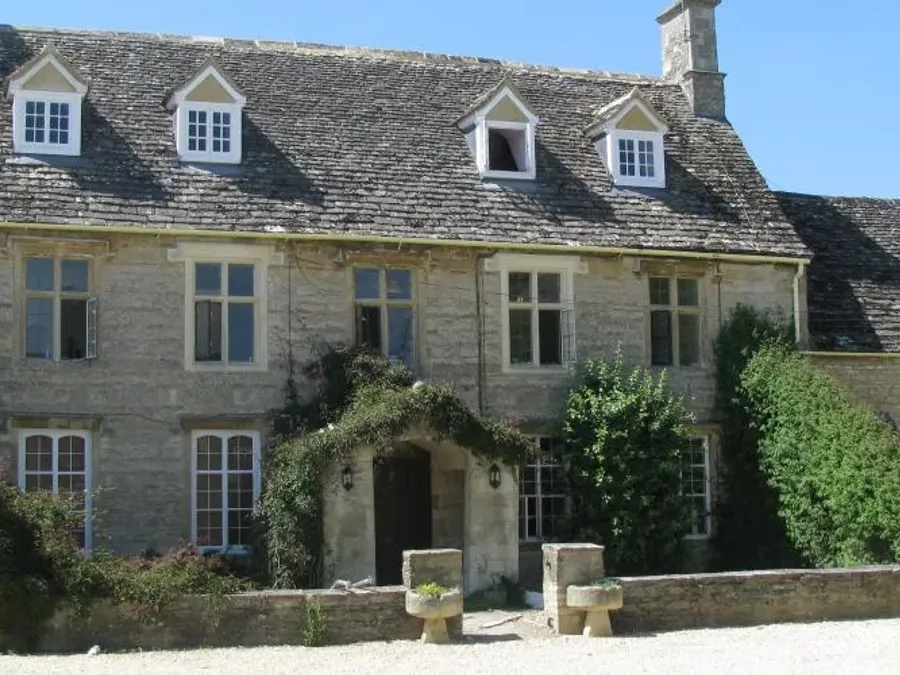
Lechlade Farmhouse
Gloucestershire · Grade II
A beautiful Gloucestershire manor farm that had not been renovated for over 50 years. The roofs were re-felted, battened and stone tiled. We converted the attic into three bedrooms and two bathrooms with a new elm staircase built on site, re-plumbed, wired and redecorated the whole house.
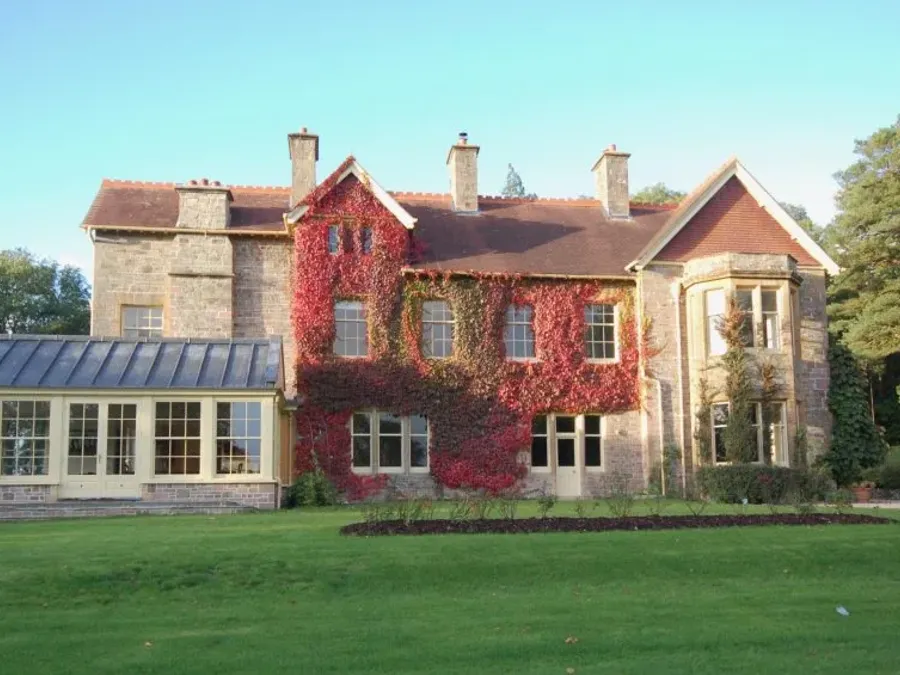
Okehampton
Okehampton
Originally built in 1890 with stone quarried in North Wales and transported on the new railway line, Holmedown was in a desperate state. One of the first generation of houses to be built with cavity walls, the wall ties were made from clay (like bricks) but had sheared through.
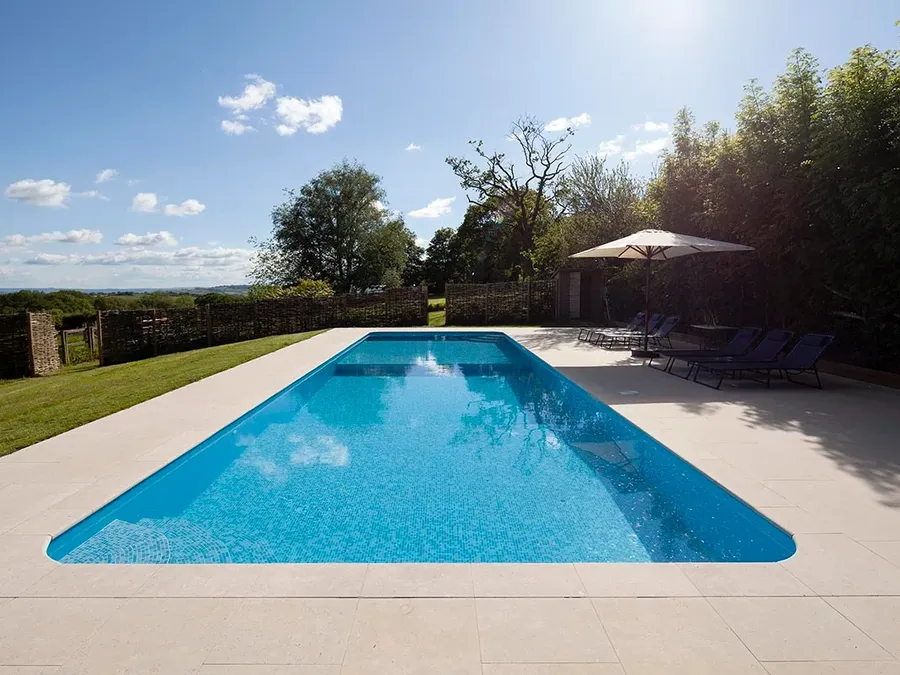
Gogwell
Devon
We fully renovated a Devon longhouse to create a family home that blended traditional country cottage finishes with a bit of luxury. The total overhaul included creating an open-plan kitchen living area along with all new bathrooms and bedrooms.