
Listed Building Consent · 20 November 2026
Re-roofing a listed building: what needs consent
Which roof repairs on a listed building need consent, which usually do not, and what to expect when a roof has to be stripped and relaid.
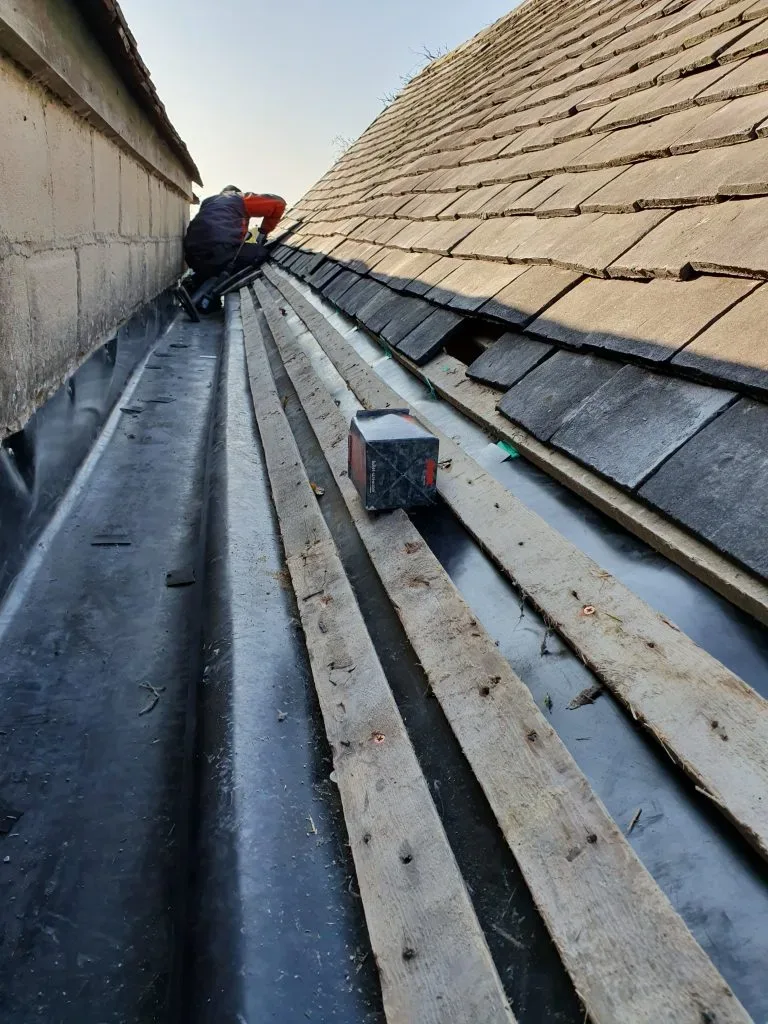
The roof of an old building is often its most visible feature, and the one that fails most often. The council’s concern is that repairs keep the materials, the way they are laid and the outline of the roof. Small repairs rarely need consent. Anything that changes the roof usually does.
Repairs that usually do not need consent
Refixing slipped slates or tiles, replacing broken ones with matching material, clearing and repairing gutters, and renewing lead flashings in the same way are normally treated as repairs. So is replacing decayed battens like for like. Some councils ask owners to check with them before any roof work, so that they can confirm it counts as repair.
Work that usually needs consent
- Re-covering the roof in a different material, or changing the size, colour or coursing of the slates or tiles
- Stripping and relaying a whole roof where historic material or detail would be lost
- Adding rooflights, dormers or vents
- Insulating the roof, which changes its height at the eaves and verges or affects the timbers
- Altering or replacing roof timbers
- Fitting solar panels
Solar panels on a listed roof almost always need consent, and on the main slopes they are often refused. A few councils have local listed building consent orders that grant consent for some installations, such as Kensington and Chelsea for certain Grade II buildings. Panels on an outbuilding or on the ground are usually easier to agree.
Stripping and relaying
When a roof has failed, the right answer is often to strip it, repair the structure and relay the original covering. At Tysoe Manor, a Grade II* house with a 14th-century hall, we stripped the roof, repaired the mediaeval timbers and relaid the original stone tiles, making up the shortfall with reclaimed ones. Near Lechlade, on a Grade II farmhouse, we re-felted, battened and stone-tiled the roofs.
Stone tiles are usually laid in diminishing courses, largest at the eaves and smallest at the ridge. Each one has to be sorted by size when the roof is stripped so it can go back in the right course. That takes time, and it is one of the things to ask a roofer about before appointing them.
Bats
Bats often roost in old roofs, and they are protected. If there is any sign of them, the council will usually ask for a survey before work starts, and the work may have to be timed around them.
Our page on stone roofs on listed houses describes how we work. Our guide to Listed Building Consent covers how to apply.
Questions owners ask
Do I need consent to repair a listed roof?
Not usually, for small like-for-like repairs such as refixing slipped slates or replacing broken tiles with matching ones. Larger work, or anything that changes the materials, structure or appearance of the roof, usually does. Some councils ask owners to check before any roof work, so speak to the conservation officer first.
Can I put solar panels on a listed building?
Almost always only with Listed Building Consent, and on the main roof slopes it is often refused. A few councils, such as Kensington and Chelsea, have local orders that grant consent for some installations on Grade II buildings. Panels on an outbuilding or on the ground are usually easier.
Do I need a bat survey to re-roof?
Often. Bats are protected and frequently roost in old roofs. If there is any sign of them, the council will usually ask for a survey, and work may have to be timed around the bats.
Projects that show this in practice
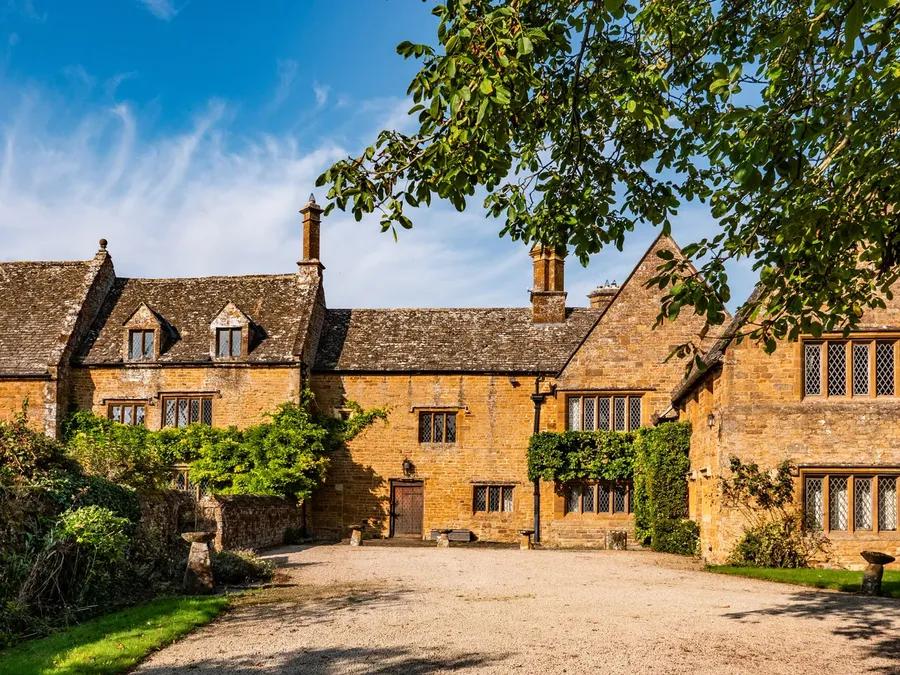
Tysoe Manor
Warwick · Grade II*
This substantial early 14th-century Grade II* listed manor house has good examples of mediaeval windows, oak studded doors, fireplaces and a very early oak staircase, all set in well landscaped gardens.
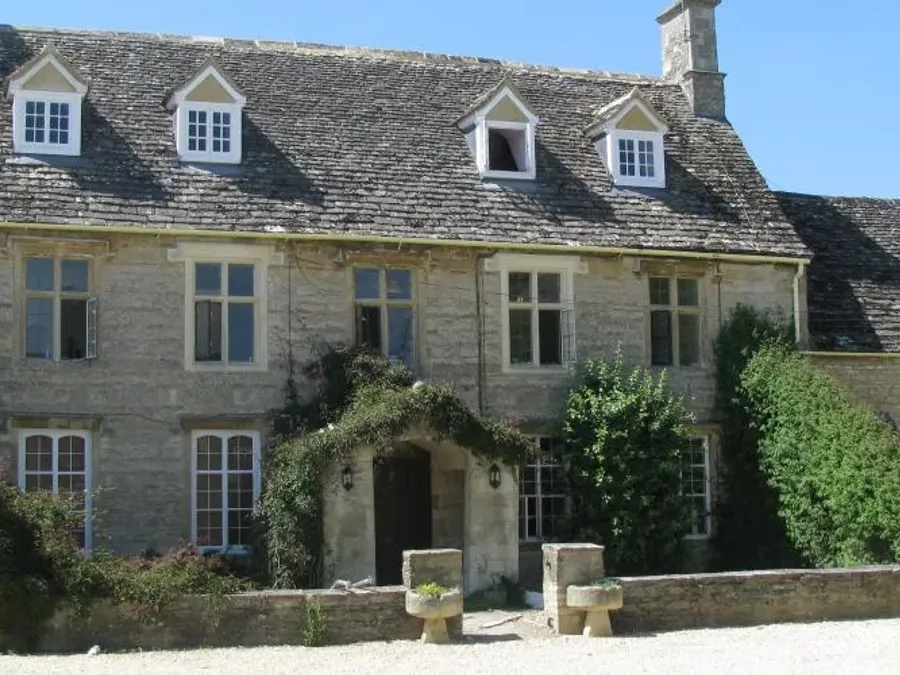
Lechlade Farmhouse
Gloucestershire · Grade II
A beautiful Gloucestershire manor farm that had not been renovated for over 50 years. The roofs were re-felted, battened and stone tiled. We converted the attic into three bedrooms and two bathrooms with a new elm staircase built on site, re-plumbed, wired and redecorated the whole house.
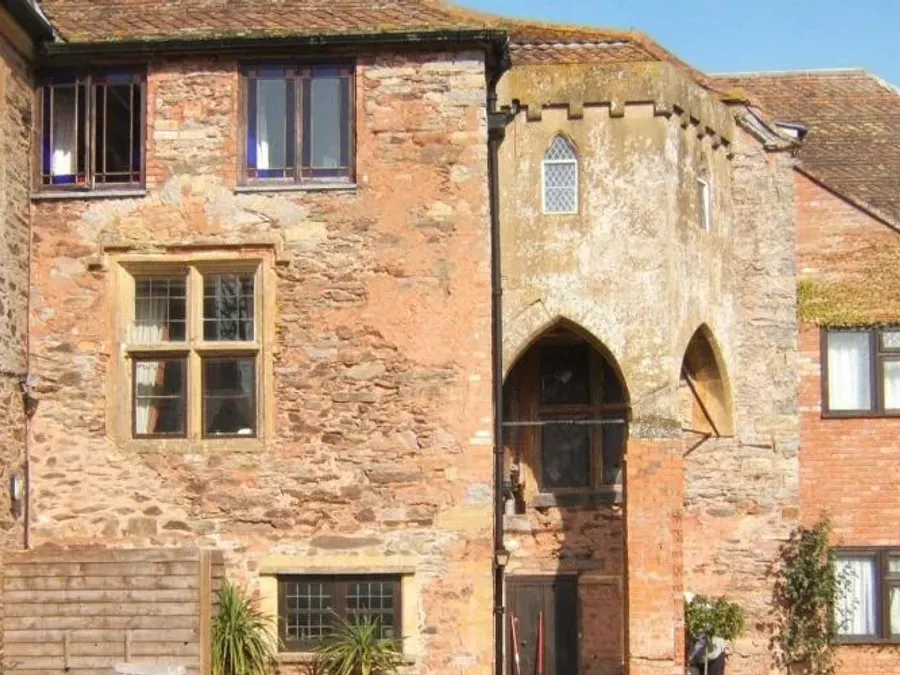
Maunsel House
Bridgwater · Grade II*
Maunsel House is the 13th-century home of Sir Benjamin Slade and is now a venue for weddings and corporate events. We were asked to build a commercial kitchen extension that would match the existing house.