
Listed Building Consent · 20 November 2026
Windows and secondary glazing in listed buildings
When repairing, replacing or adding secondary glazing to the windows of a listed building needs consent, and why repair usually comes first.
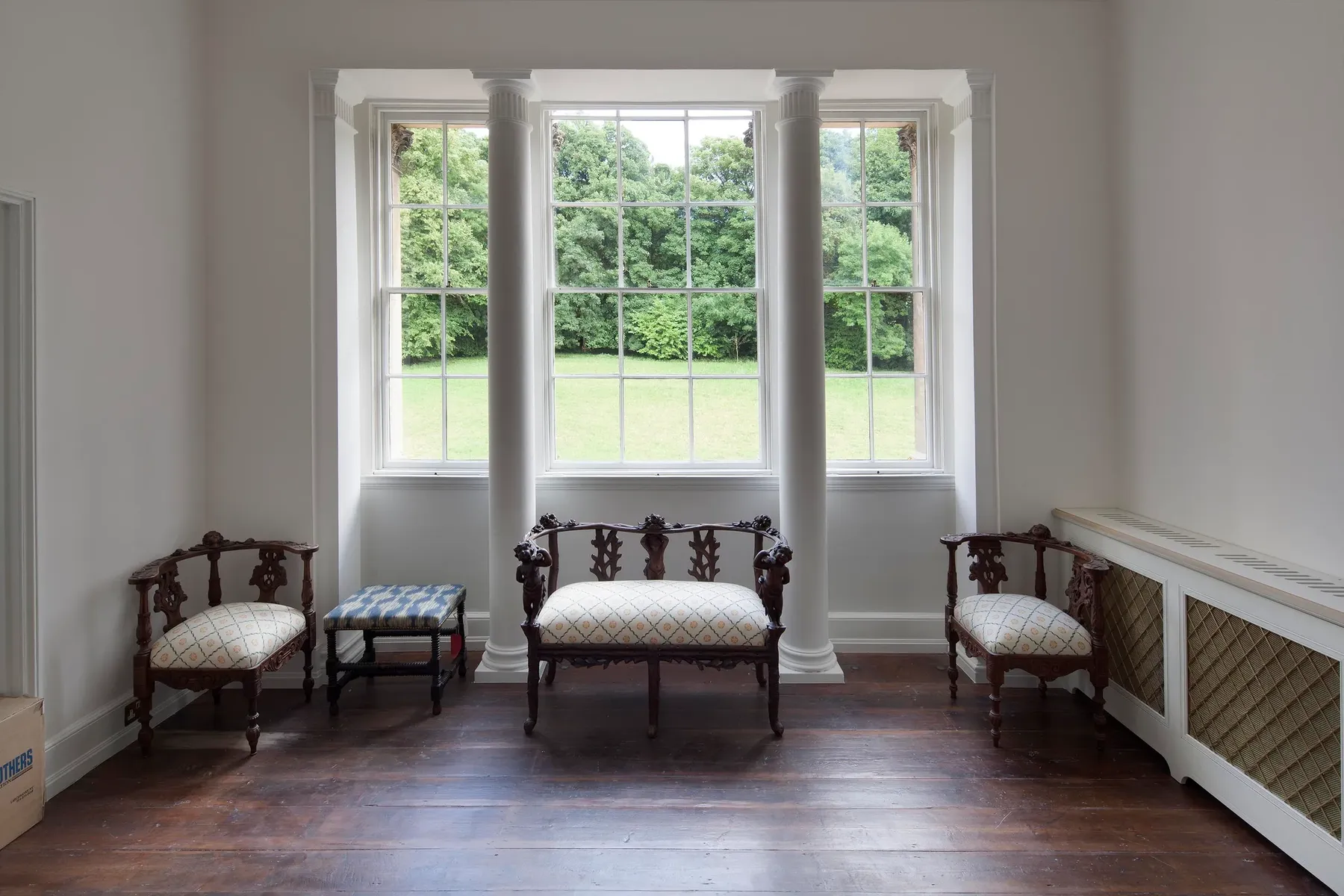
Windows give an old building much of its character: the pattern of glazing bars, the thickness of the frames, and the old glass with its slight ripple. That is why the council looks hard at any change to them, and why repair is almost always the first option.
Repair first
Most old timber windows can be repaired. Rotten sections of frame or sill can be cut out and new timber spliced in, sashes can be re-hung on new cords, and loose glass can be re-puttied. Repair of this kind, done in the same materials and methods, often needs no consent. Replacing a window that could have been repaired is one of the changes councils most often refuse.
Old windows can also be made much warmer without replacing them. Draught-proofing the sashes and frames, closing working shutters at night and hanging heavy curtains all help, and none of them changes the window itself.
Secondary glazing
Secondary glazing is a second, separate window fitted inside the original. Historic England’s guidance is that it does not generally need Listed Building Consent, because it can be removed without harming the historic window. Councils do not all agree. Some ask for an application in every case, and others where the glazing would cover shutters, panelling or other features. Ask the conservation officer before ordering it.
Good secondary glazing lines up with the meeting rails and glazing bars of the original window, so it can hardly be seen from outside, and opens so the original can still be cleaned and used.
Replacement and double glazing
Replacing a window, or changing its design, glazing pattern, material or the way it opens, almost always needs consent. Where a historic window really is beyond repair, the council will usually expect a copy made to match, with drawings of the frame and glazing bars approved before it is made.
Double glazing in historic frames is usually refused. It means thicker glazing bars or new frames and the loss of old glass. Some councils accept slim double-glazed units where the existing windows are later replacements rather than historic, but this is decided case by case.
New windows in an extension are a different matter. At Maunsel House, the new mullioned windows in the kitchen extension were carved to match those in the 13th-century house, so the extension reads as part of it.
Building regulations
Replacement windows also have to meet building regulations. Building control can relax the energy requirements for a historic building where meeting them in full would harm it, but that has to be agreed with them, usually alongside the consent.
Our guide to Listed Building Consent covers how to apply and what happens if work is done without consent.
Questions owners ask
Do I need consent to fit secondary glazing in a listed building?
Historic England’s guidance is that secondary glazing does not generally need consent, because it can be removed without harming the window. Some councils still require an application, particularly where the glazing would cover shutters or panelling. Ask the conservation officer and get the answer in writing.
Can I put double glazing in a listed building?
Replacing historic glazing with double glazing is usually refused, because it means new frames or thicker glazing bars and the loss of old glass. Some councils accept slim double-glazed units where the existing windows are not historic. Secondary glazing is the usual alternative.
Do draught strips need consent?
Discreet draught-proofing that can be removed and does not cut into the frame rarely needs consent. Anything that alters the sash or frame may do. If in doubt, ask.
Projects that show this in practice
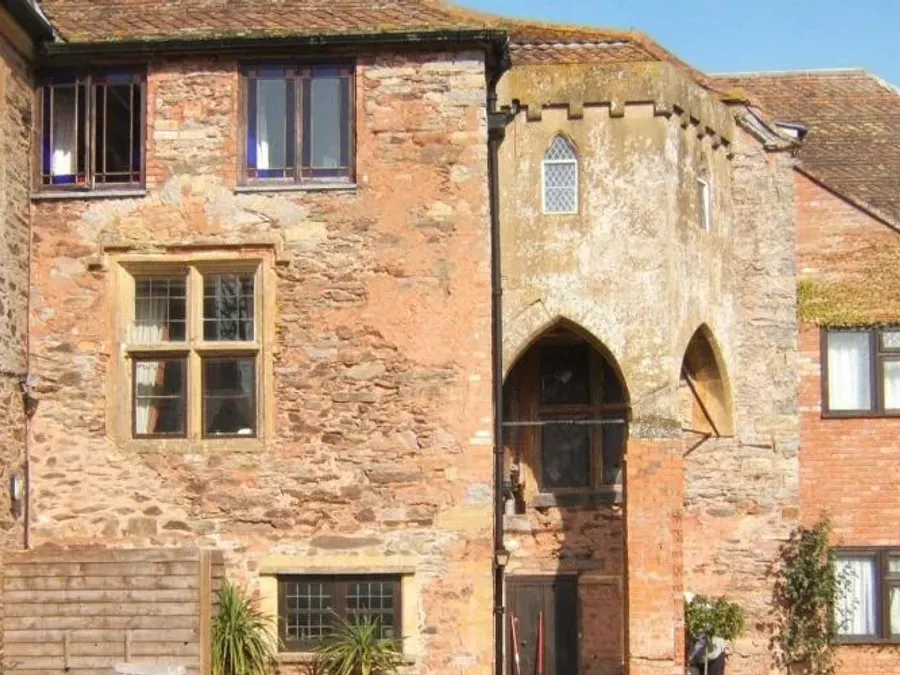
Maunsel House
Bridgwater · Grade II*
Maunsel House is the 13th-century home of Sir Benjamin Slade and is now a venue for weddings and corporate events. We were asked to build a commercial kitchen extension that would match the existing house.
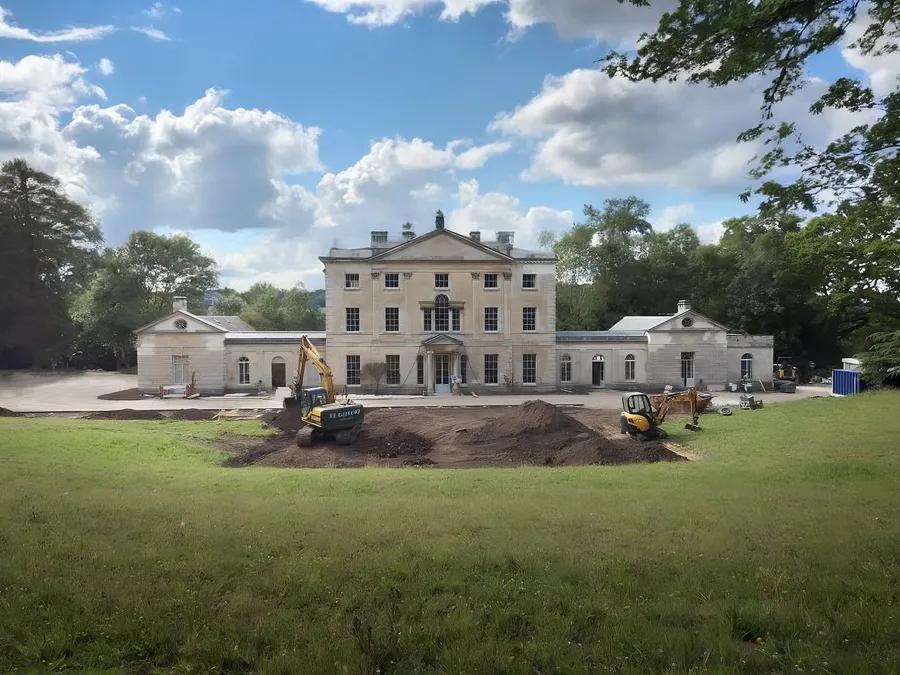
Brownshill Court
Stroud · Grade II*
A Grade II* country house near Painswick that had been split into five flats and was close to ruin. We converted it back into a single house.
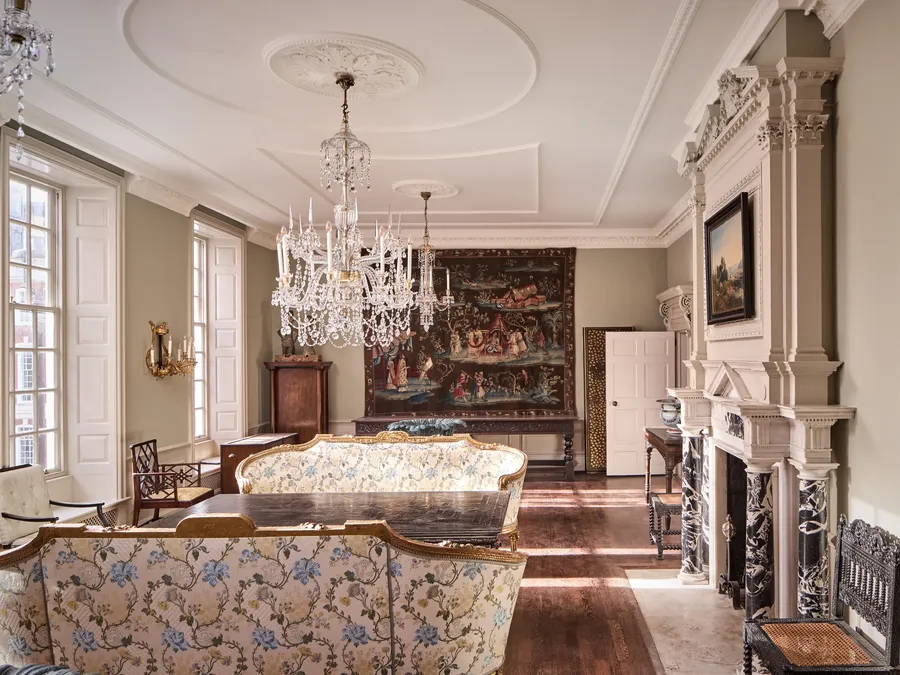
Westminster
Westminster · Grade II*
This house and its adjacent house (owned by the Moroccan Embassy) were built around 1720. No 9 Little College St was two houses then, one of which included the current No10.