
Listed Building Consent · 20 November 2026
Repointing and rendering a listed building
When repointing, rendering or removing render on a listed building needs consent, why the mortar matters, and what a test panel is for.
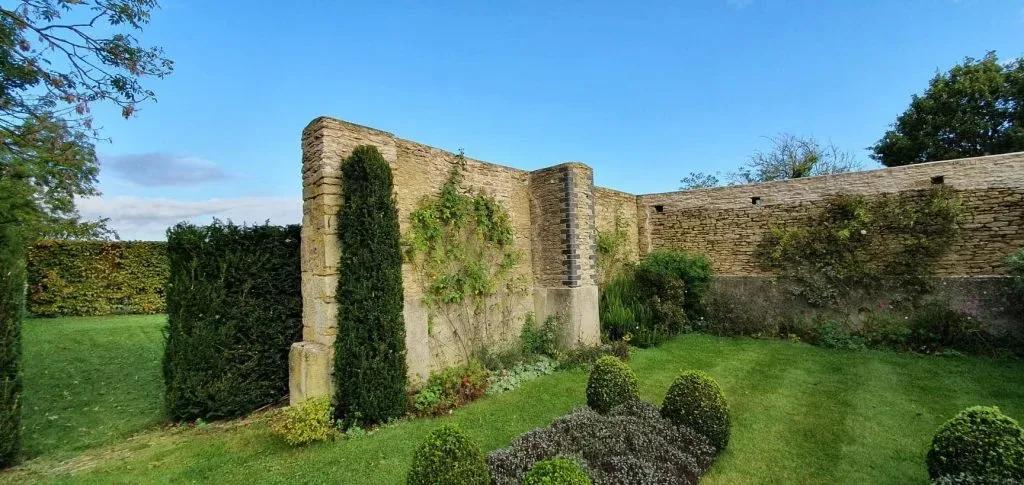
Almost every old building was laid in lime mortar, and many were finished in lime render. Repairing them with cement traps moisture in the walls and damages the stone or brick. Our guide to lime and cement in old buildings explains why. This article covers when the work needs consent.
Repointing
Repointing small areas where the mortar has failed, in a lime mortar that matches the original in colour, texture and strength, is normally treated as a repair and needs no consent. Repointing a whole elevation is different. It changes the look of the wall and puts historic mortar at risk, so many councils treat it as needing consent, and most do where the mortar, colour or joint finish would change.
The joint finish matters as much as the mix. A flush or slightly recessed joint, finished to suit the stone or brick, looks very different from a raised or ribbon joint, and the wrong one can change the character of a whole building.
Taking out cement
Councils generally welcome replacing cement pointing with lime. The difficulty is getting the cement out. It is harder than most old stone and brick, and cutting it out with an angle grinder damages the edges of the masonry. It has to be raked out by hand, and on a large area the council may want to agree the method before work starts.
Render
Rendering brick or stone that was meant to be seen almost always needs consent and is often refused. Removing old render also needs consent. It may be historic in its own right, and it may be protecting soft masonry underneath. Replacing a failed cement render with lime is usually welcomed, but it still needs to be agreed first.
Test panels
Where consent is needed, it often comes with a condition requiring a test panel: a small area done in the proposed mix and finish, left to cure and then approved by the council before the rest of the work goes ahead. Lime takes weeks to show its final colour, so allow time for it.
Our work
At Chetwode Manor in Oxfordshire, a listed manor we maintained for five years, the work included new lime putty plastering, brick repairs and lime pointing. For the extension at Maunsel House, we used stone from the original disused quarry so the new walls match the old. Our guide to Listed Building Consent covers how to apply.
Questions owners ask
Do I need consent to repoint a listed building?
Small patches repointed in a lime mortar that matches the original usually do not need consent. Repointing a whole elevation, or using a different mortar, colour or joint finish, may well do. Ask the conservation officer before starting.
Can I replace cement pointing with lime?
Councils generally welcome it, but removing cement is a risk in itself, because it is harder than the stone or brick and can take the edges with it. It has to be raked out carefully by hand, and on a large area the council may want to approve the method first.
What is a test panel?
A small area of pointing or render done in the proposed mix and finish, left to cure and then approved by the council before the rest of the work goes ahead. Consent for repointing or rendering often requires one.
Projects that show this in practice
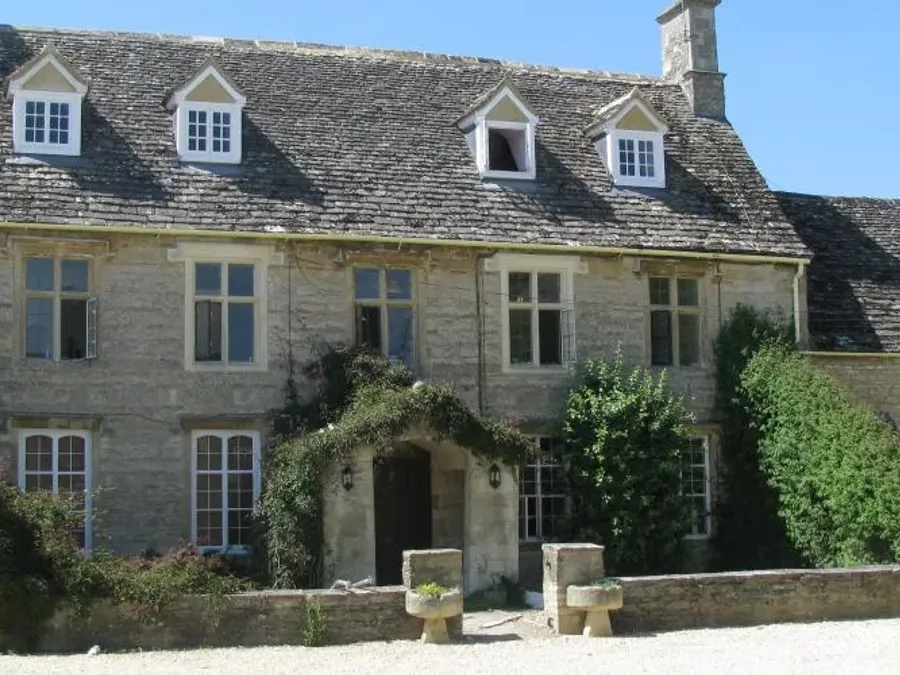
Lechlade Farmhouse
Gloucestershire · Grade II
A beautiful Gloucestershire manor farm that had not been renovated for over 50 years. The roofs were re-felted, battened and stone tiled. We converted the attic into three bedrooms and two bathrooms with a new elm staircase built on site, re-plumbed, wired and redecorated the whole house.
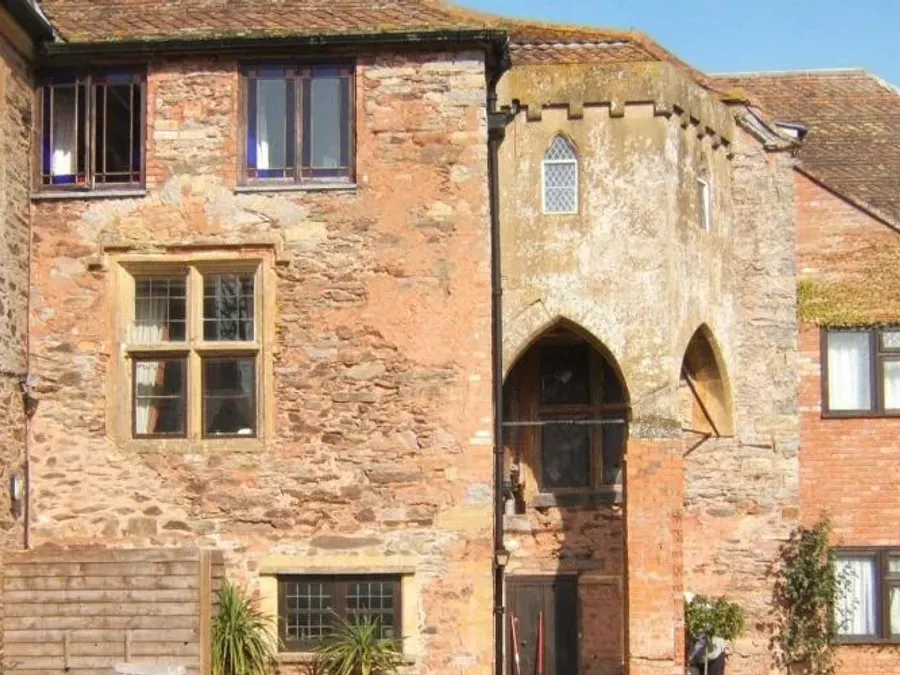
Maunsel House
Bridgwater · Grade II*
Maunsel House is the 13th-century home of Sir Benjamin Slade and is now a venue for weddings and corporate events. We were asked to build a commercial kitchen extension that would match the existing house.
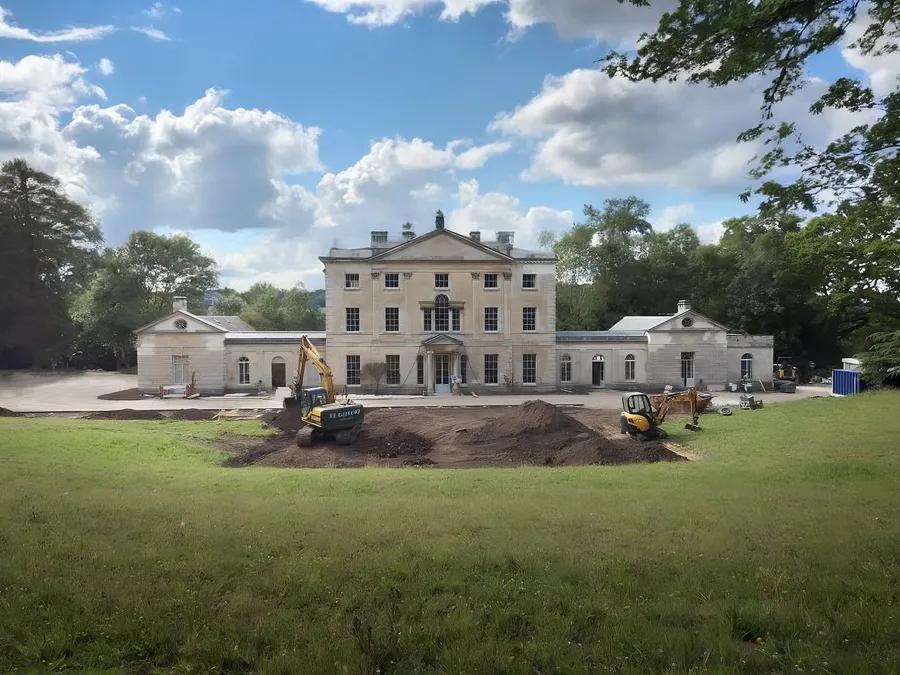
Brownshill Court
Stroud · Grade II*
A Grade II* country house near Painswick that had been split into five flats and was close to ruin. We converted it back into a single house.