
Listed Building Consent · 20 November 2026
Repairs that do not need Listed Building Consent
Maintenance and like-for-like repairs often need no consent. What counts as a repair, where the line falls, and how to get it confirmed.
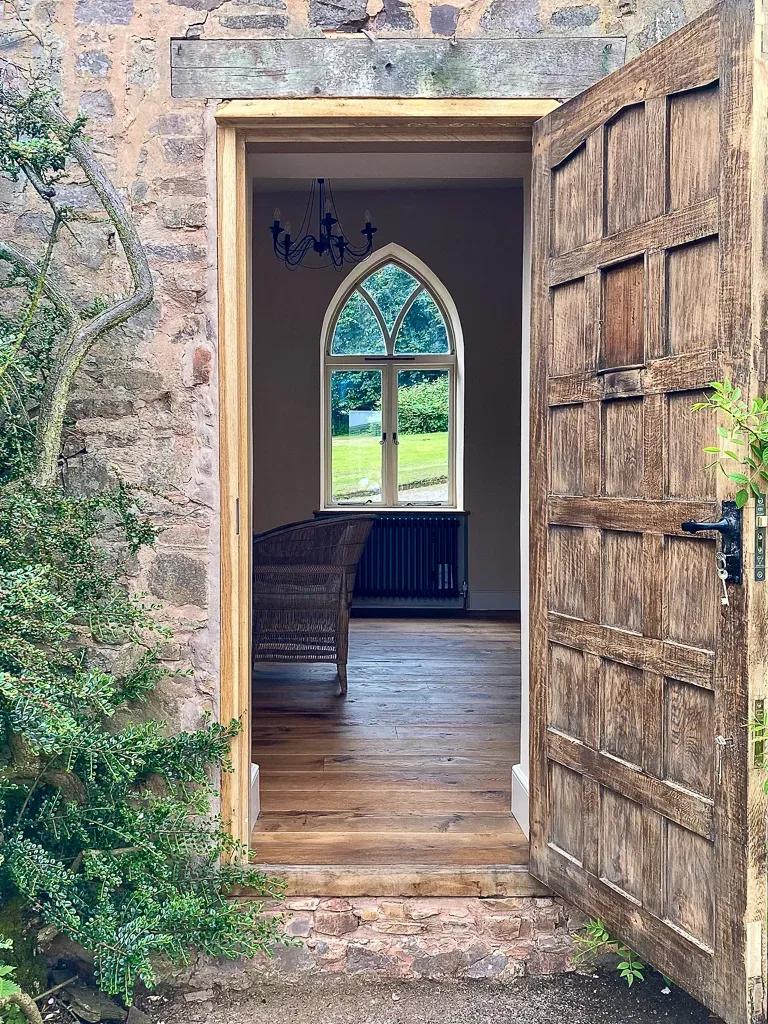
Owners are often told that everything on a listed building needs consent. It does not. Looking after a building, and repairing it in the way it was built, is what the system is there to encourage. The difficulty is knowing where repair stops and alteration starts.
Maintenance
Clearing gutters and downpipes, refixing slipped slates or tiles, replacing broken glass in the same type of glass, easing sticking windows and doors, and repainting previously painted joinery in a similar colour are routine maintenance. They do not need consent, and doing them regularly prevents most of the larger repairs that do.
Like-for-like repairs
A repair that uses the same materials and methods as the original, and keeps as much of the historic fabric as possible, often needs no consent. Patching lime plaster in lime, splicing new oak into a rotten timber, or repointing a small area in matching lime mortar are typical examples.
Work stops being a repair when it removes historic material that could have been kept, uses different materials or methods, or changes the appearance or layout of the building. Replacing a whole floor rather than repairing the damaged boards, renewing a window rather than repairing it, or repointing in cement all fall on the wrong side of the line.
Who decides
The local planning authority decides what counts as like for like, not the owner or the builder. Some councils ask owners to contact them before any repair, so that they can confirm it qualifies. Ask the conservation officer, describe the work clearly, and keep their written reply with the house papers.
For certainty, apply for a Certificate of Lawfulness of Proposed Works. It confirms formally that a particular piece of work does not need consent, which is useful for larger repairs and when the house is later sold.
Orders and agreements
Some councils have local listed building consent orders, which grant consent in advance for defined work, such as certain solar panels or repairs, on particular buildings. Owners of large estates can also agree a heritage partnership agreement with the council, covering routine work across several listed buildings. Ask the council whether either applies.
Keep a record
Photograph the building before and after any repair, keep invoices and the specification, and note the materials used. If a question is ever raised, years later or when the house is sold, that record is the answer. Our guide to Listed Building Consent covers the work that does need consent.
Questions owners ask
When is Listed Building Consent not required?
For routine maintenance and for repairs that use the same materials and methods as the original and do not remove historic fabric or change the character of the building. Redecorating in a similar finish usually does not need consent either. The council has the final say on what counts.
How do I prove that work did not need consent?
Ask the conservation officer and keep their written reply. For certainty, apply for a Certificate of Lawfulness of Proposed Works, which confirms formally that a particular piece of work does not need consent. Keep photographs of the building before and after the work.
What is a local listed building consent order?
An order made by a council that grants consent in advance for a defined type of work on certain listed buildings in its area, so owners do not need to apply individually. Only some councils have them, and they cover specific work only.
Projects that show this in practice
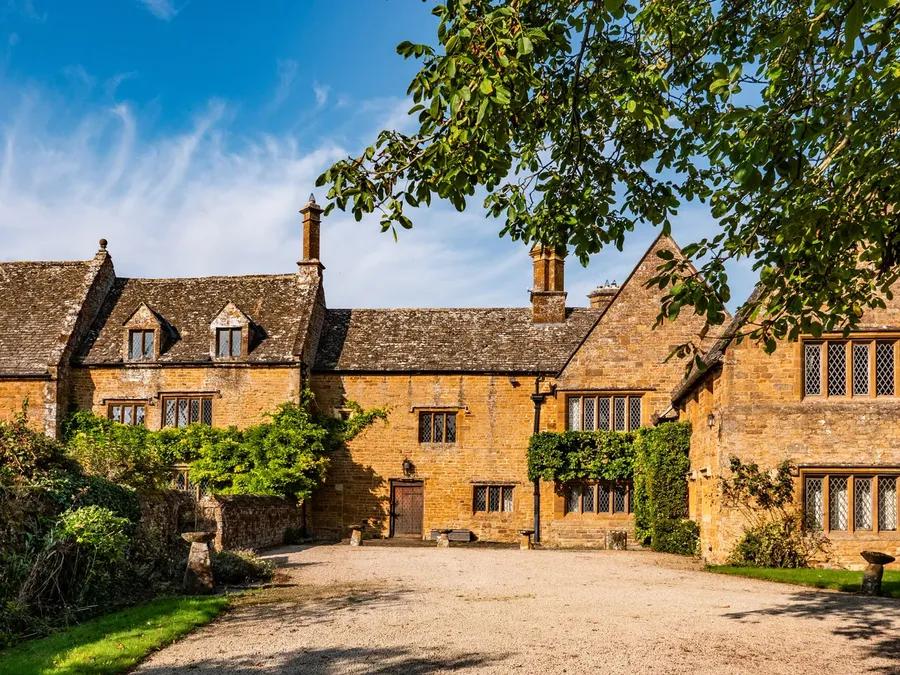
Tysoe Manor
Warwick · Grade II*
This substantial early 14th-century Grade II* listed manor house has good examples of mediaeval windows, oak studded doors, fireplaces and a very early oak staircase, all set in well landscaped gardens.
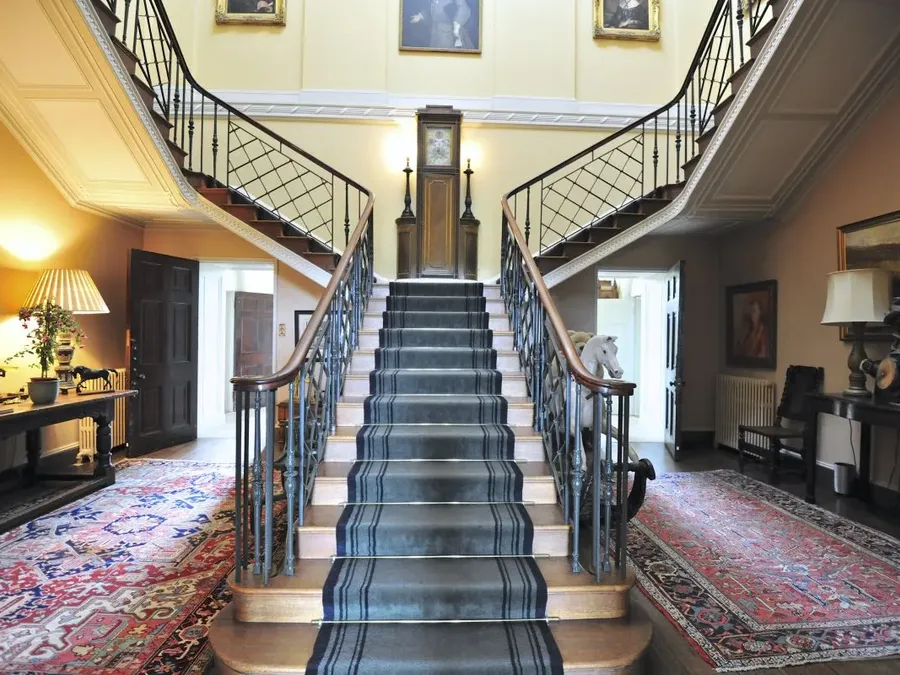
Woolley Estate
Woolley Park, near Wantage · Grade II*
A new built orangery linking the main house with the annexe wing to form a rear entrance hall and boot room. The 1,000 sq ft room has a lead roof, underfloor heating, basement and glazed screen with French windows opening onto the garden.
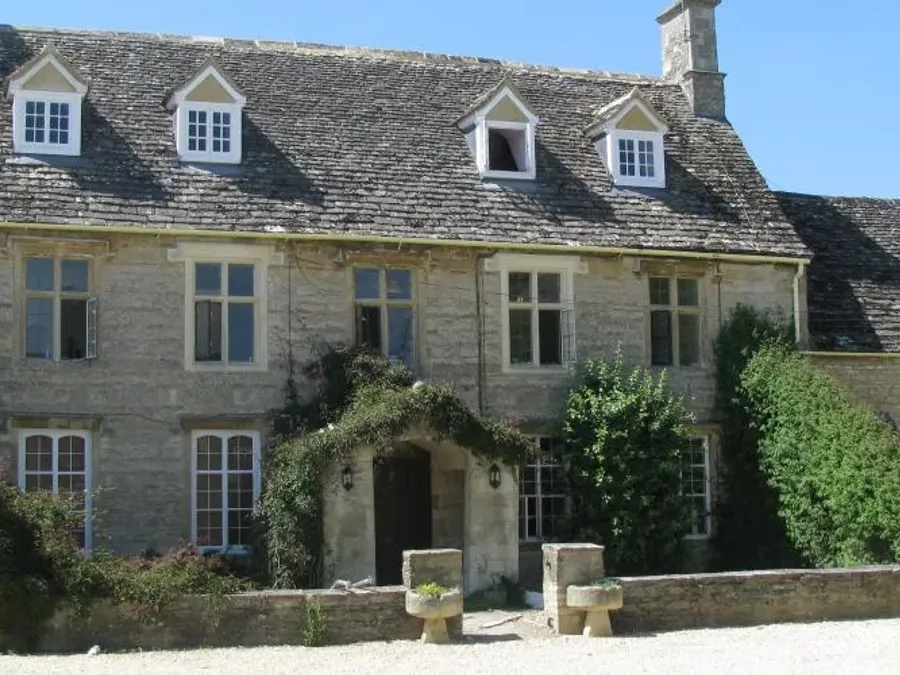
Lechlade Farmhouse
Gloucestershire · Grade II
A beautiful Gloucestershire manor farm that had not been renovated for over 50 years. The roofs were re-felted, battened and stone tiled. We converted the attic into three bedrooms and two bathrooms with a new elm staircase built on site, re-plumbed, wired and redecorated the whole house.